Wild Foods Guide · Manzanita
Manzanita Berries: How to Find, Harvest and Use Northern California's Little Apples
By Kyle Dall · Redding Forager's Association
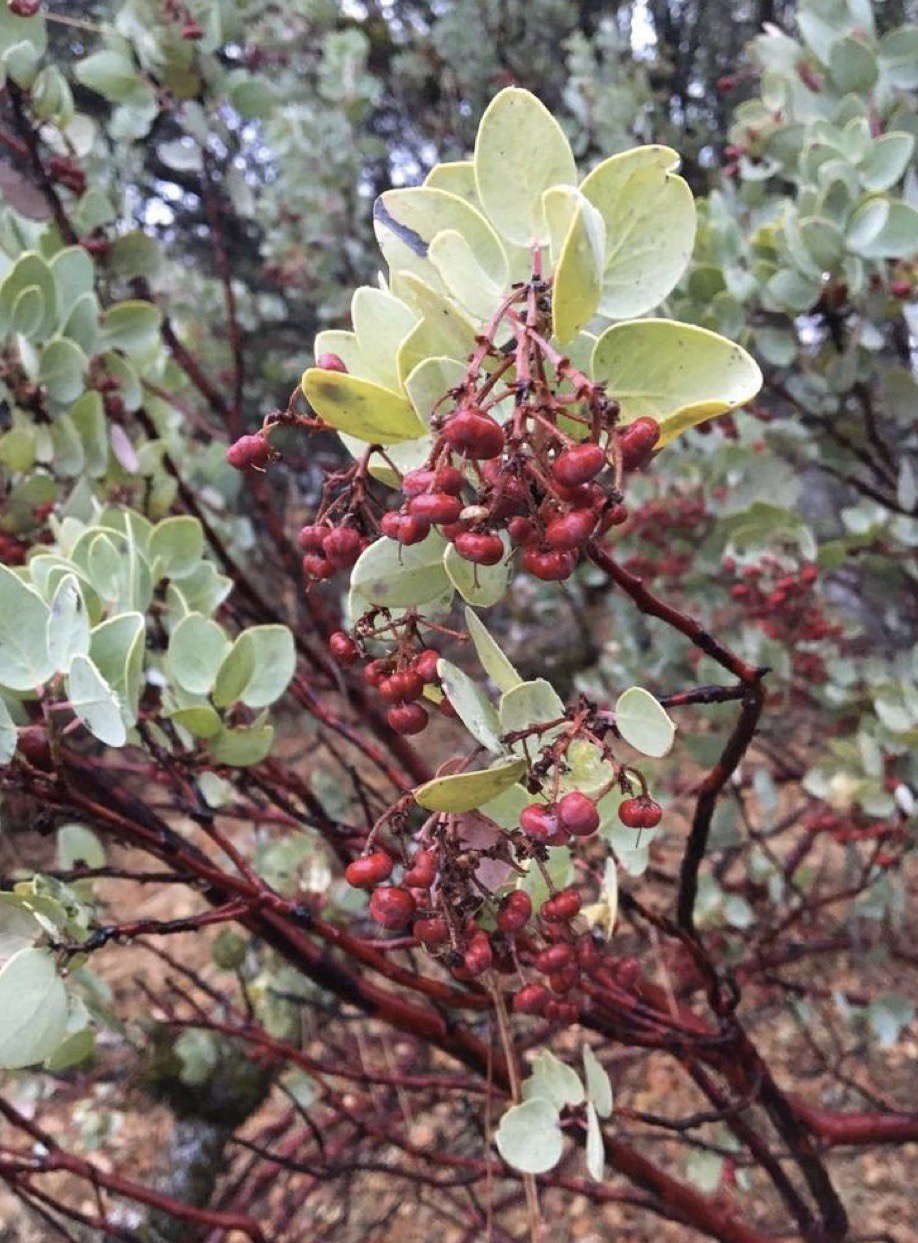
Manzanita berries are one of the most abundant wild foods in our area, and hardly anyone knows they're edible. Actually, they're more than edible. They're tasty. The name is Spanish for "little apple," and that's exactly what they taste like: sweet, tart and a little like apple cider.
Around Redding, manzanita covers the foothills and mountains, so if you know what to look for you'll find more berries than you can carry. Here's how we gather them and turn them into a natural sweetener and a refreshing cider.
How to recognize manzanita
Manzanita is one of the easiest shrubs in California to recognize:
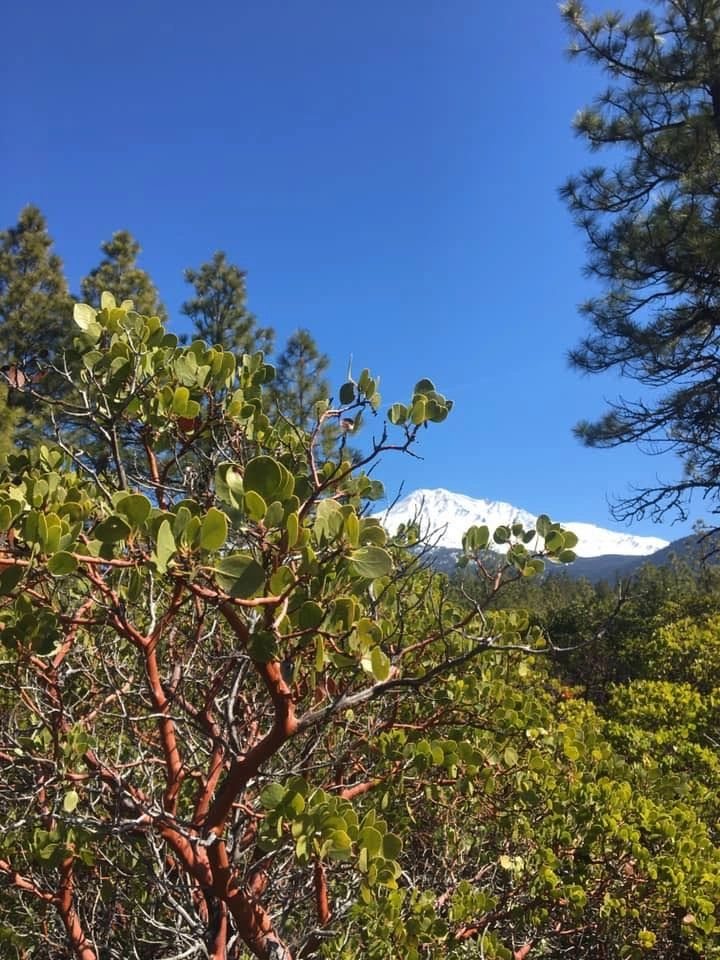
- Bark. Smooth, shiny, deep red to mahogany, on twisting branches.
- Leaves. Thick, leathery and oval, pointing up toward the sun.
- Flowers. Little pink or white bells that hang in clusters in late winter and spring.
- Berries. Small round fruits that start green and ripen to reddish brown.
We gather from two kinds that are common around Redding and Shasta County: greenleaf manzanita (Arctostaphylos patula), with bright green leaves, and whiteleaf manzanita (A. viscida), with pale gray-blue leaves.
When and where to harvest
The berries ripen through the summer. We collect them when they've dried out completely on the bush, usually in late summer and fall. Dry berries are easy to strip by the handful and keep well.
Look on sunny, rocky slopes in the foothills and mountains around Redding. Manzanita loves poor soil and full sun, so it often grows in thick stands along trails and roadsides. As always, ask before gathering on private land, and leave plenty for the birds, bears and other wildlife that depend on them.
How to process manzanita berries
- Clean. Pick out leaves, stems and any moldy berries.
- Grind. Pound or grind the dry berries in a mortar and pestle or blender. You're breaking the dry flesh away from the hard seeds, not grinding the seeds.
- Sift. Shake the mix through a screen or sieve. The fine powder falls through and the hard seeds stay behind.
The powder is a sugary, apple-flavored sweetener. Store it in a sealed jar in a cool, dry place.
How to use manzanita berries
Add the powder to oatmeal, breads, cookies or any other baked goods. Use it as a base for homemade spice blends, or stir it into water as a flavoring.
Our favorite is manzanita cider. Crush a handful of berries, cover them with cold water and let them soak overnight. Strain in the morning. It tastes like a mix between lemonade and apple cider.
Want our dried manzanita berries?
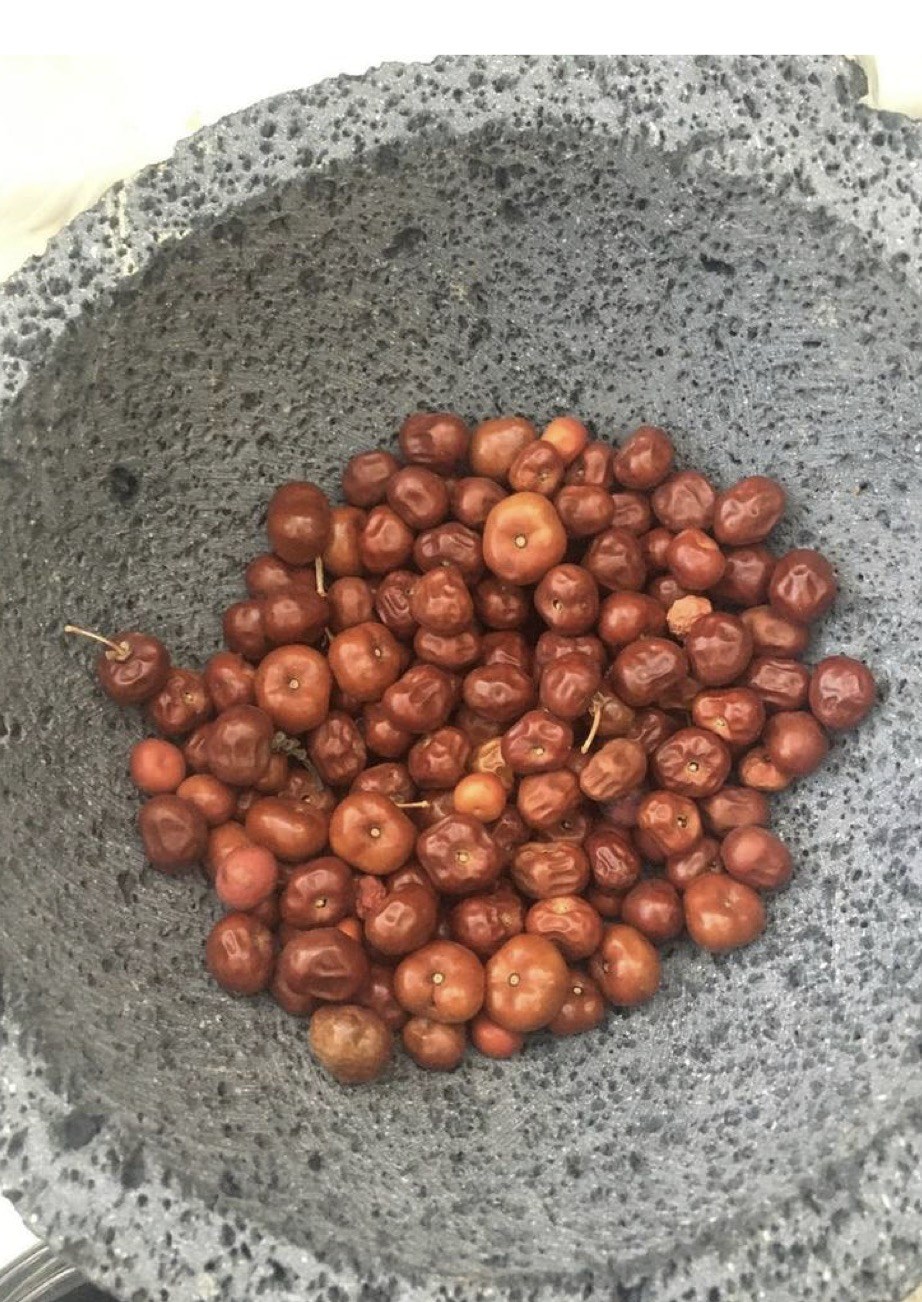
We hand-gather our manzanita berries from green leaf and white leaf manzanitas here in Shasta County. We're out of stock right now. Leave your name and email below and we'll let you know as soon as the next batch is ready.
Want to go deeper? Our Northern California Foraging Encyclopedia covers manzanita and dozens of other local wild foods. You might also like our guide to making acorn flour.


